

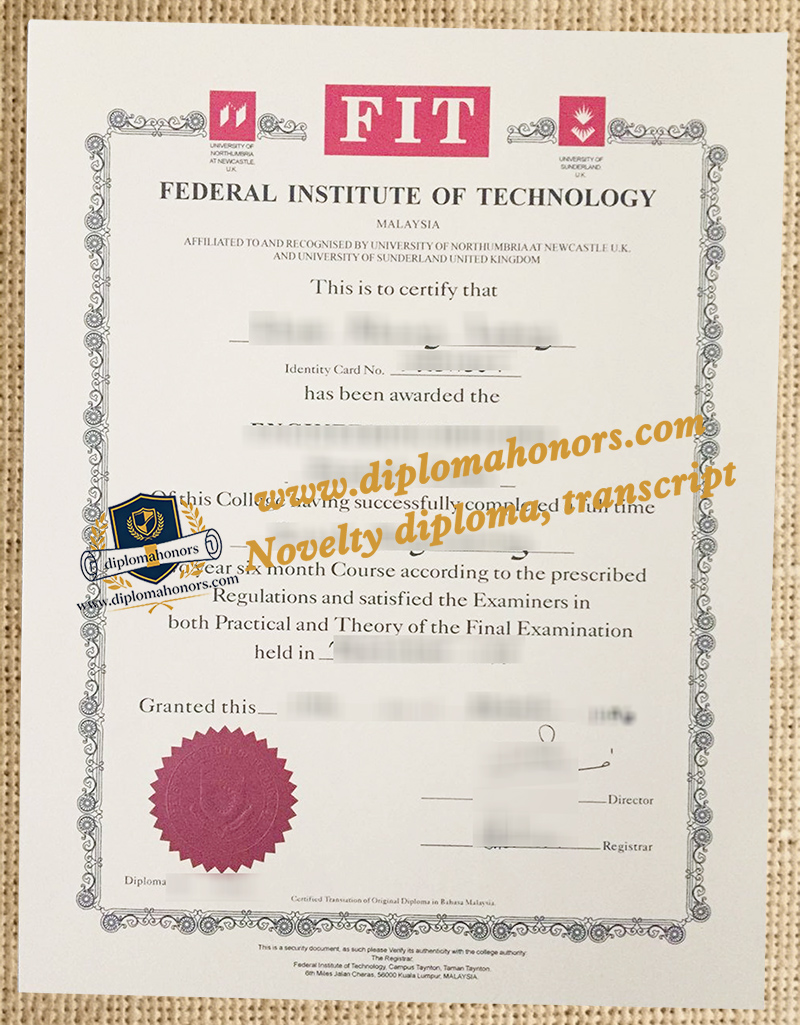
Federal Institute of Technology Diploma: Accreditation, Courses & Career Growth
Many technical learners aim for practical, industry-recognized qualifications to launch stable tech careers. For this goal, a Federal Institute of Technology diploma serves as a premium, career-focused credential in 2026. Unlike academic degrees with heavy theory, this diploma prioritizes hands-on technical training. It also delivers standardized industry competencies for global engineering and tech markets. Therefore, it has become a top pick for students and working technical professionals worldwide.
Nationally Validated, Industry-Endorsed Accreditation
First of all, the core strength of the Federal Institute of Technology diploma lies in its official institutional validation. All diploma programs comply with national technical education standards. Moreover, they align with international industry benchmark frameworks for engineering and applied technology. As a result, every graduate earns a fully verifiable qualification for formal employment and further studies.
In addition, the institute maintains long-term cooperation with industrial boards and tech enterprises. This partnership ensures regular curriculum updates and professional skill certification. Unlike unregulated technical certificates, this diploma carries consistent credibility across regional and international job markets. Thus, employers highly recognize its practical training quality and graduate competence.
Practical, Market-Driven Technical Diploma Courses
Furthermore, Federal Institute of Technology designs all diploma programs to fit current industry demands. It reduces redundant theoretical learning and enhances real-world technical skill training. Popular course tracks include civil technology, electrical engineering technology, computer technology, mechanical technology, and sustainable energy technology.
Meanwhile, each program adopts a balanced training structure. It integrates campus lab practice, technical workshops, and corporate internships throughout the study period. Importantly, trainers are experienced industry practitioners and certified technical instructors. Consequently, students master operational skills and problem-solving abilities in a short study cycle.
Besides, most diploma courses adopt flexible study modes. They support full-time learning for fresh graduates and part-time learning for in-service workers. This flexible arrangement makes skill upgrading accessible for different learner groups. Also, standardized English teaching removes language barriers for international technical learners.
Solid Career Advantages and Learning Flexibility
In terms of career development, a Federal Institute of Technology diploma offers obvious competitive edges. First, it qualifies holders for entry-level and mid-level technical roles in engineering firms, tech companies, and manufacturing enterprises. Second, it provides smooth credit transfer pathways for higher bachelor or advanced diploma studies.
Additionally, technical industries face growing talent shortages in 2026. Qualified technical graduates enjoy high employment rates and stable salary growth. On top of that, the institute provides career guidance, resume polishing, and enterprise recruitment resources. These supports greatly improve graduates’ market competitiveness.
Final Conclusion
Overall, the Federal Institute of Technology diploma is a cost-effective, high-value technical qualification. It features official accreditation, industry-aligned curricula, and flexible learning options. Meanwhile, it connects technical education directly to real job demands. Hence, it remains an ideal choice for anyone pursuing a steady and progressive technical career in the global tech and engineering industries.