

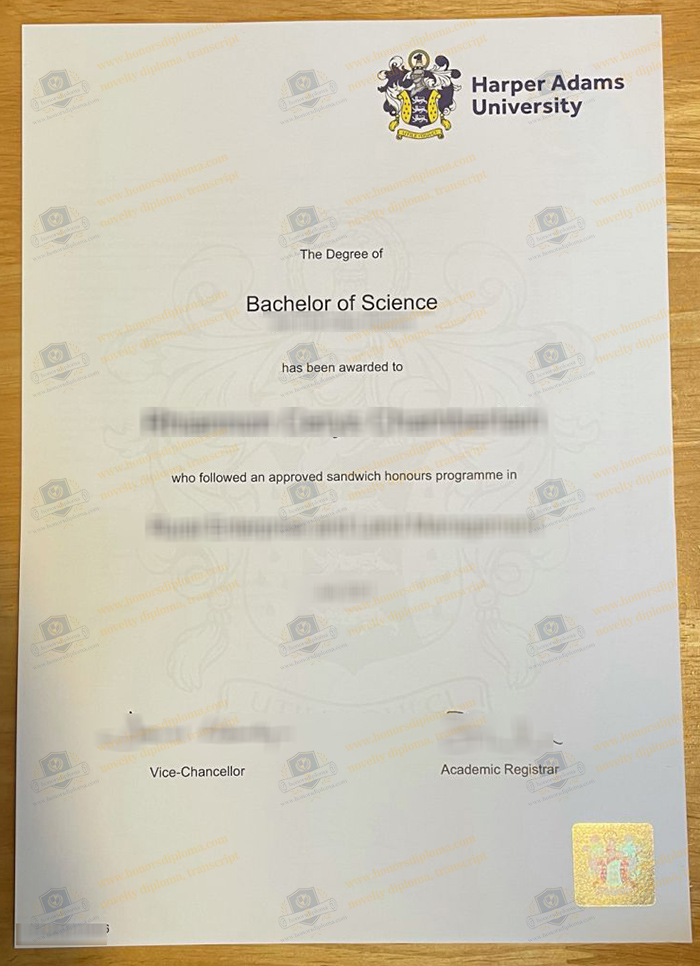
When evaluating international degrees, a Harper Adams University diploma stands out as a premier credential in the fields of agriculture, food science, and rural enterprise. Established in 1901 and officially gaining university status in 2012, this prestigious UK institution is globally recognized for its exceptional industry connections and practical, career-focused education.
The true value of a Harper Adams University degree lies in its unmatched employability. The university consistently ranks top in the UK for employer reputation, with an outstanding graduate employment and further study rate of 97.5%. Because the curriculum integrates a mandatory industry placement year, graduates holding a Harper Adams University diploma enter the job market with real-world experience, making them highly sought after by top employers in agribusiness, engineering, and land management.
Unlocking Global Opportunities with a Harper Adams University Diploma
Academically, the institution is a powerhouse. In the 2026 QS World University Rankings, its Agriculture and Forestry subject area secured the 87th position globally. Furthermore, the university is home to the UK’s National Centre for Precision Farming and operates one of the world’s first fully autonomous robot farms, ensuring that students receive cutting-edge, future-ready training.
For international students planning to use their credentials abroad, understanding the authentication process is vital. A Harper Adams University diploma requires direct verification from the university’s Registry, as its degree data cannot be verified through the standard HEDD system. The proper legalization pathway involves university verification, followed by solicitor certification, UK FCDO Apostille, and potentially embassy legalization, depending on the destination country’s requirements.
Ultimately, whether you are aiming for a career in sustainable farming, food technology, or agricultural engineering, a Harper Adams University diploma offers a proven pathway to global success. Backed by over a century of educational excellence, royal patronage, and deep-rooted industry partnerships, it remains one of the most practical and respected qualifications in the agricultural sector worldwide.