

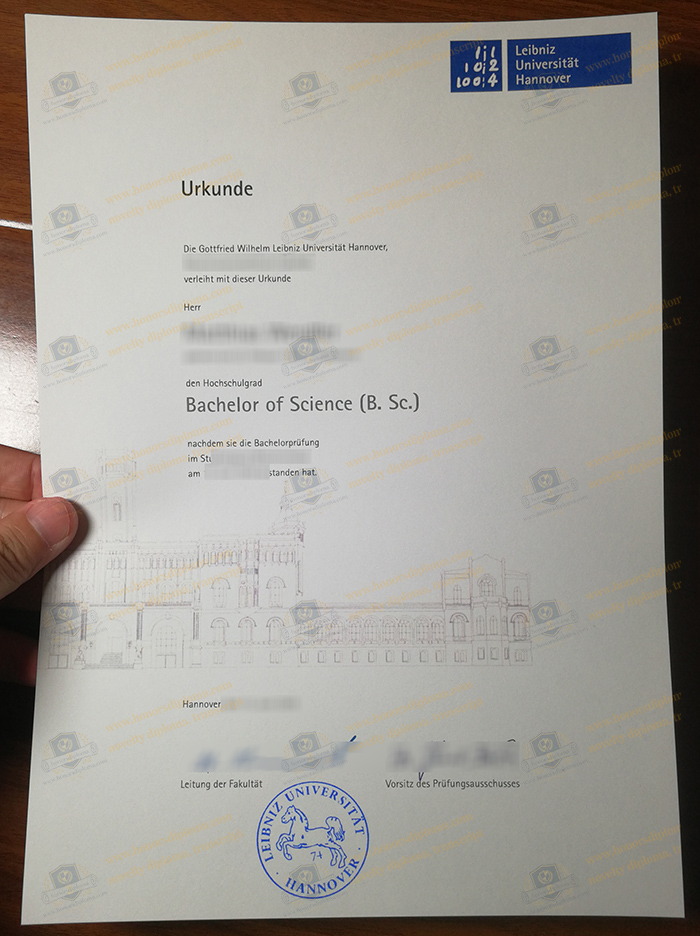
Understanding the Leibniz Universität Hannover Diploma for Students and Graduates
Leibniz University Hannover awards the Leibniz Universität Hannover diploma to graduates who finish its accredited undergraduate and graduate programs. The university sits in Hannover, the capital of Lower Saxony in Germany, and takes its full name from the polymath Gottfried Wilhelm Leibniz. The credential carries weight for engineers, economists, designers, and researchers who plan to work in Germany or abroad. This guide explains what the diploma covers, how employers recognize it, and how graduates can use it on the job market.
What Is Leibniz University Hannover
Founded in 1831, the university grew from a trade school into one of the largest public research universities in Lower Saxony. It operates nine faculties plus three affiliated schools and offers around 82 degree programs. Fields span engineering, natural sciences, architecture and environmental planning, law, economics, social sciences, and humanities. More than 300 professors and 1,100 academic staff teach around 25,000 students. Thirteen programs run entirely in English, which makes the university a common choice for international applicants.
What the Diploma Covers
A Leibniz Universität Hannover diploma represents a completed academic degree such as Bachelor of Arts, Bachelor of Science, Master of Arts, or Master of Science. Students usually finish a bachelor program in six semesters and a master program in four semesters. Popular subjects include electrical engineering and information technology, mechanical engineering, economics and management, biology, architecture and urban design, and computer science. The university also awards structured doctorates and cooperates with research institutes across the Hannover region.
Recognition and Job Market Value
Because the state of Lower Saxony runs the university and every program carries an accredited quality seal, employers across Germany and abroad accept the Leibniz Universität Hannover diploma. Companies value the strong engineering tradition and the close links to local industry. Graduates often enter roles in mechanical engineering, automotive, aerospace, energy, IT, consulting, construction, and public administration. The degree also qualifies holders for doctoral programs and academic careers. Job seekers should list the exact degree title, faculty, and graduation date on their resume.
Tips for Students and New Graduates
Current students should keep their transcript, diploma supplement, and degree certificate organized. These documents together prove the content and level of the program. When applying for jobs, match the degree title to the advertised qualification. International applicants may need a certified translation or an anabin evaluation. A clean CV that highlights internships, research projects, and language skills also improves the chance of an interview.
Conclusion
The Leibniz Universität Hannover diploma reflects a long established and well respected German research education. Whether a student aims for an engineering career, a management role, or doctoral research, the degree provides a recognized foundation. With the right documents and clear job applications, graduates can turn this diploma into a strong start on the job market.